The allure of easy money is rigged against unquestioning Malawians who mortgage their earnings, pensions, relationships, reputations, lives and jobs, our Staff Writer SANGULUKANI NYIRENDA reports:
On August 6 2024, police in Lilongwe arrested Premier Bet employee Rodney Kandulu, 25, for theft of K18 million, ironically squandered on gaming.
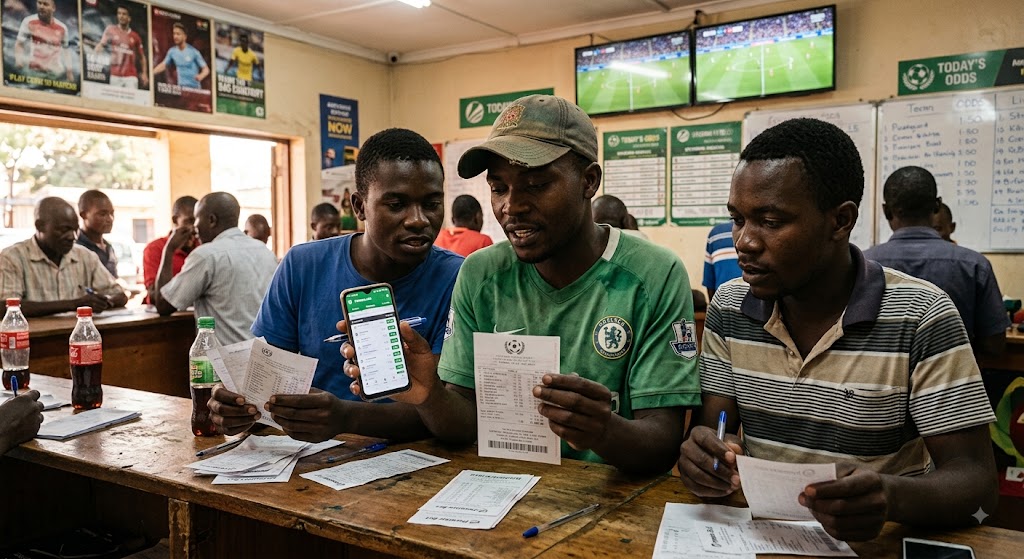
Just like the suspect, many Malawians have lost hard-earned money, reputation and freedom after getting hooked to gambling.
According to mental health experts, gambling rewires the brain’s reward system with the same brutal efficiency as drugs, turning probability into false hope and losses into a deadly debt trap.
Easing mental toll
The human toll overwhelms caregivers at the receiving end.
Dr Charles Masulani, head of St John of God Hospitaller, which runs mental health clinics in Mzuzu and Lilongwe, says betting addiction has become “a problem that cannot be ignored”.
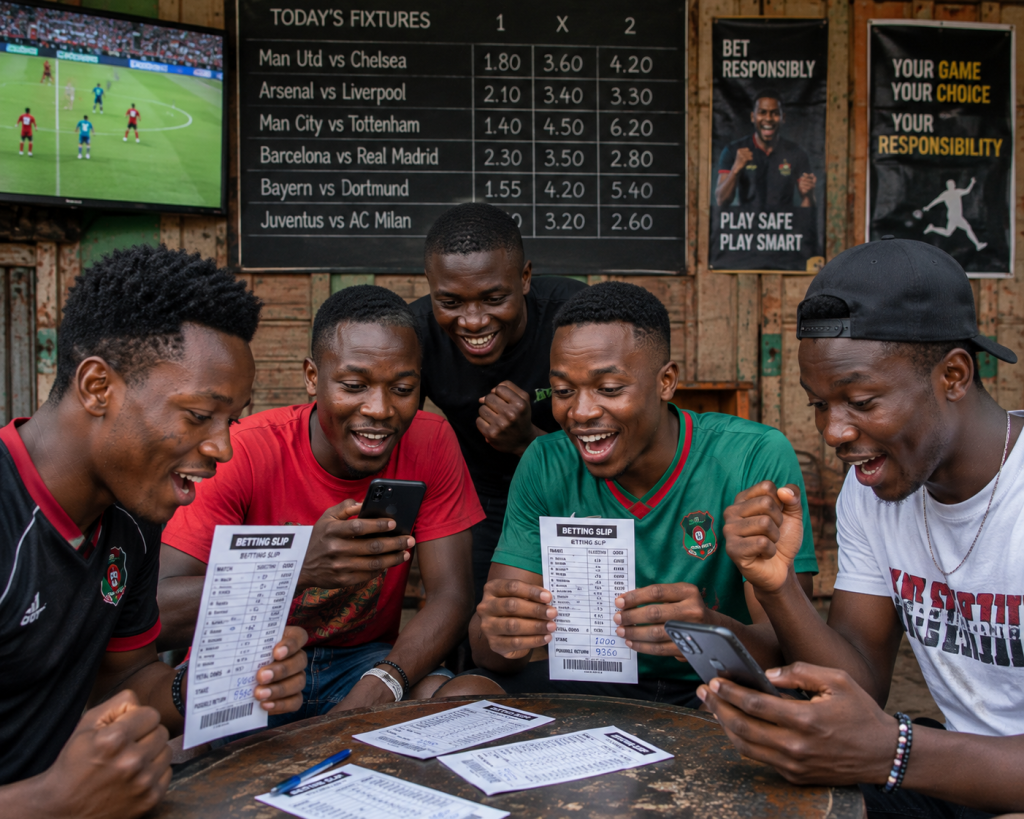
“We started receiving alarming numbers of betting-related addictions, higher than cannabis and alcohol-related addictions that we once wrestled with,” he says.
Malawi Gaming and Lotteries Authority (Magla) has signed a deal with St John of God to help Malawians with gaming-related mental issues.
Under the agreement, Magla pays St John of God for the rehabilitation of persons affected by mental conditions exclusively stemming from gambling.
“Rehab costs K700 000 for four weeks and Magla covers the fees,” says Masulani.
Magla spokesperson Nancy Malata urges individuals who need help or know someone struggling with gambling addiction to contact the authority or St John of God for help.
She says: “Recovery is a collective effort between those struggling with the addiction and those around them.
“As a regulator, Magla has a responsibility not only to regulate the industry but also to protect the public from gambling-related harm.”
Mental health activists, service providers, both public and private, are concerned with rising suicides, crime and anti-social habits as what begins as entertainment quietly mutates into compulsion.
Mental torment kicks in the moment gamers entertain the get-rich-quick feeling again and again until the only thing they cannot bet is their lives or future.
But the road to ruinous gambling addiction is paved with free computer sites, mobile phone apps and shops made accessible to both rural and urban dwellers by companies that profit from gamers’ losses.
Behind the bright advertisements and ‘free bet’ offers that celebrate the chancy money games as entertainment are muted stories of eviction notices, drained retirement accounts, broken marriages, depressions and suicides.
While some have recovered from the doldrums, others relapsed after rehabilitation.
“This makes it difficult to measure success through exact figures,” says Masulani.
Lived experiences
At Sunbird Mount Soche’s Sportsman’s Bar in Blantyre, The Nation met a 46-year-old who had just completed the rehabilitation programme.
The survivor disguised as Zimba rues sports betting and slot machines for wrecking his family “pay cheque by pay cheque until there was nothing left to lose, except my beloved wife and children”.
Zimba returned to his mother’s house after losing his job and construction company.
“Change comes only when you replace shame with support and denial with action,” says Zimba. “Only after I returned to my mother’s house did it strike me that I needed rehabilitation.”
That acceptance helped him restart his life.
A man, who has worked in various casinos for seven years, recounted: “I have seen customers borrowing millions after losing millions.
“I have seen them lose hope, leave the casino sweating and stressed. The next day, you hear that they have succumbed to high blood pressure.”
For the gamers, every spin, scratch card and sport bet carries enticing odds.
But the tricky odds do not just represent the potential jackpot.
They also carry a risk of gamers’ children going hungry, quitting school due to lost income and getting orphaned by threatening debts and the stress of losing everything ‘real quick’.
Until policymakers stop seeing betting addiction as a symbol of moral failure, but as a system that preys on the brain’s deepest wiring, the country will keep mistaking devastation for entertainment.
The allure of easy money is rigged against unquestioning Malawians who mortgage their earnings, pensions, relationships, reputations, lives and jobs.
Their suffering exposes gambling addiction as a thief that takes everything in small, legal increments—until there’s nothing left to take.
Every day, the odds are rigged against those who bet irresponsibly—and there are no clear boundaries between responsible betting and self-ruin.